
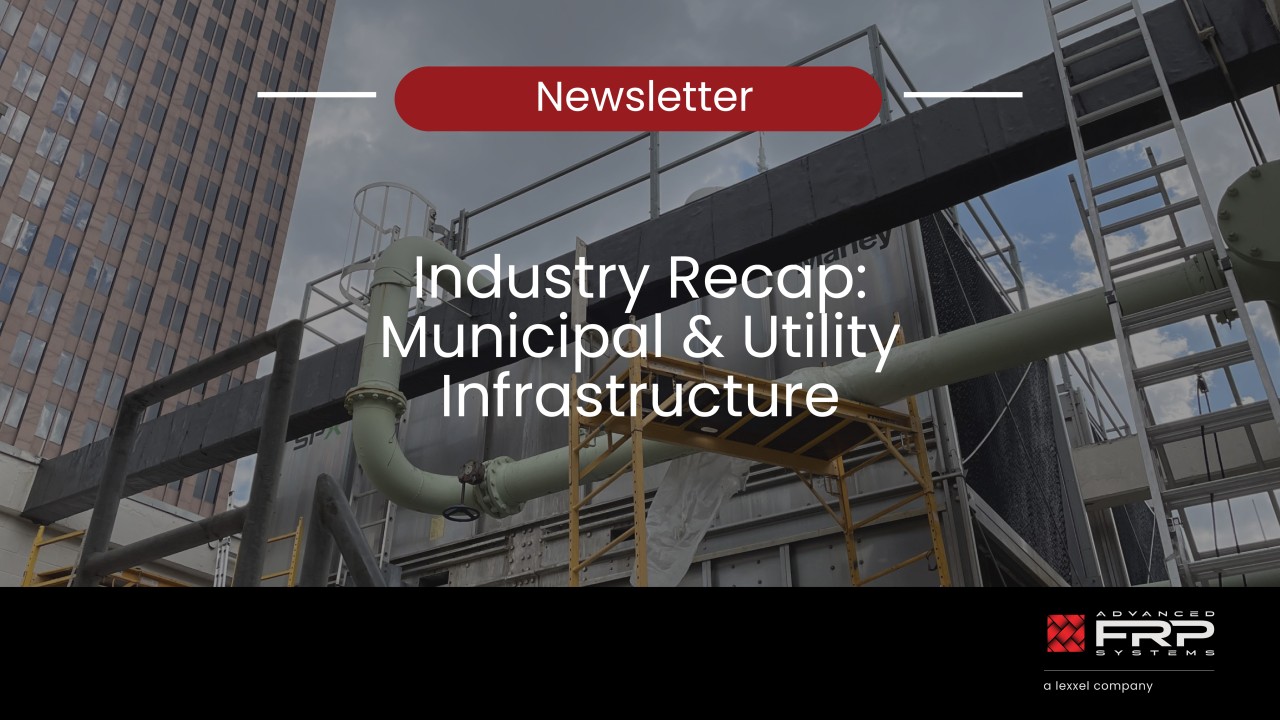
In 2026, municipalities and utilities nationwide face daily challenges associated with aging infrastructure systems that were installed half a century ago. These systems, while still serving essential functions, routinely operate well beyond their original design life. Specifically, underground utility networks, water and wastewater facilities, and legacy gas and power assets frequently experience corrosion, through-wall failures, [...]
More
-
A Brief State of Affairs: Municipal & Utility Infrastructure
-
Meeting High Expectations: Reliable Repairs in Oil & Refined Product Applications
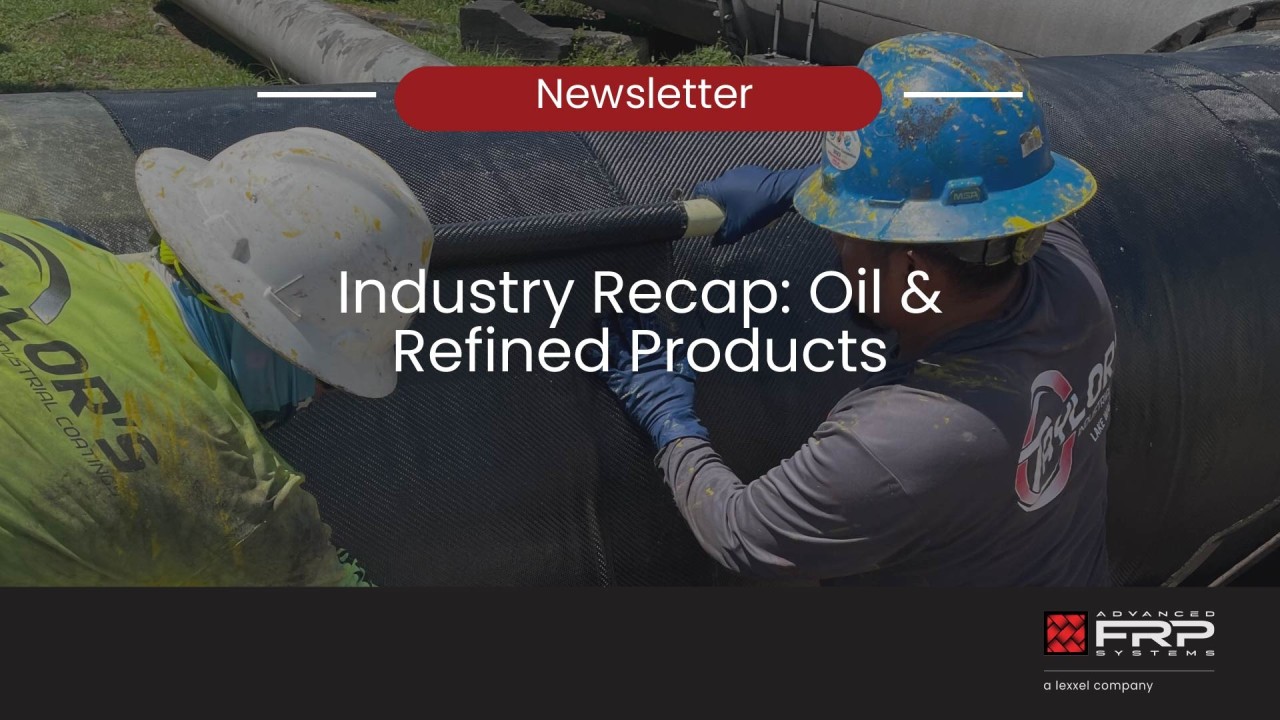 The oil and gas industry is under constant performance scrutiny from all sides. Regulators ensure operators follow increasingly rigorous rules and procedures during operations. Consumers demand uptime, as they utilize oil and gas resources to go about their daily routines. Advocacy groups are on the lookout for environmental oversights, as operators balance expansion efforts with [...] More
 -
Extending the Service Life of Concrete Infrastructure with Engineered and Non-Engineered Composite Repairs
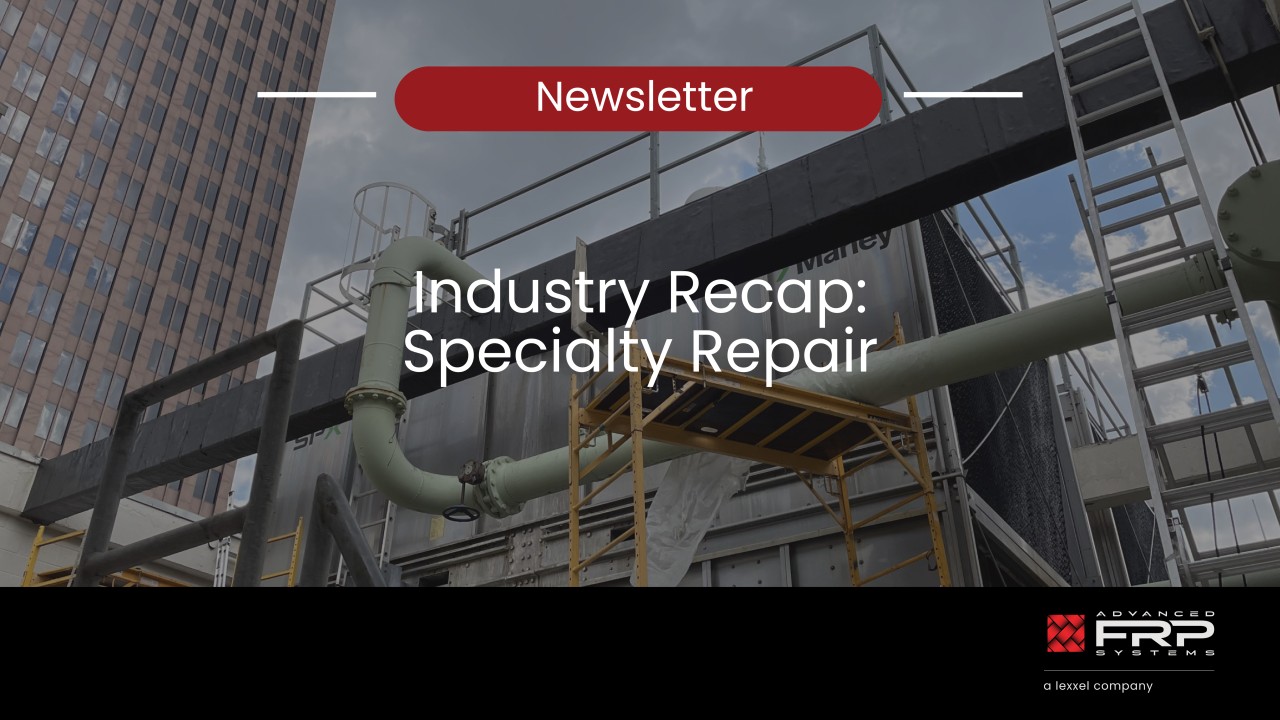 Much of the concrete infrastructure that supports America’s utility and industrial operations needs substantial upgrades. Carbon fiber composite reinforcement has become an essential tool in this effort, successfully delivering reinforcement for concrete structural repairs in both engineered and non-engineered repair applications. Its impressive strength-to-weight ratio, overall stiffness, and ability to adhere externally to existing concrete [...] More
 -
Wastewater Infrastructure Is Overdue for an Overhaul: What to Expect in Wastewater Projects
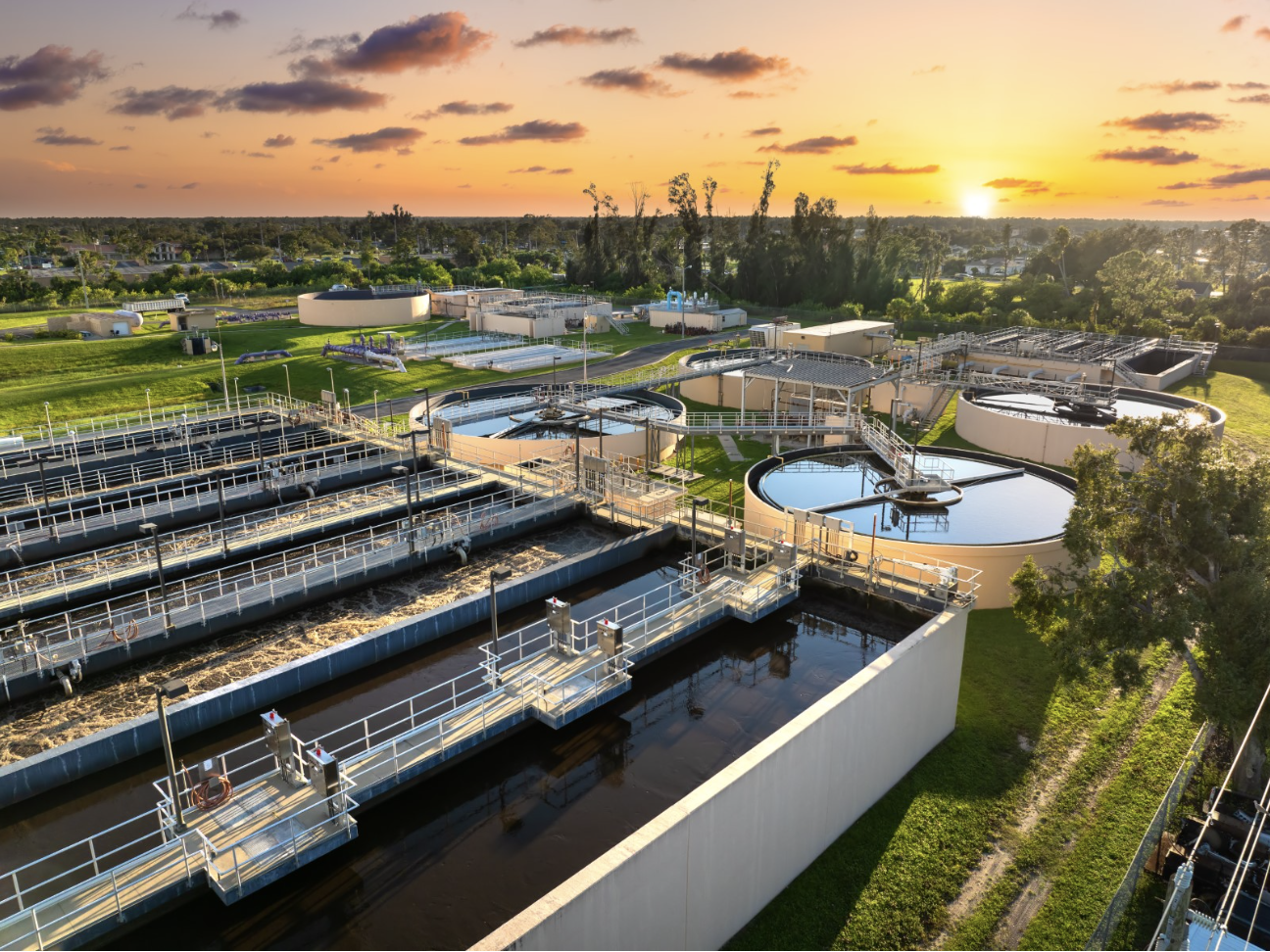
The wastewater industry is entering a critical countdown period. The U.S. Environmental Protection Agency now estimates that clean water infrastructure needs will total $630.1 billion over the next two decades. This projection is driven by aging systems and the mounting costs of overstretched infrastructure that consistently handles higher capacity demands for an extended period. A rise in extreme weather is …
More -
History Of Testing & Validation For Composite Repairs for Pipelines
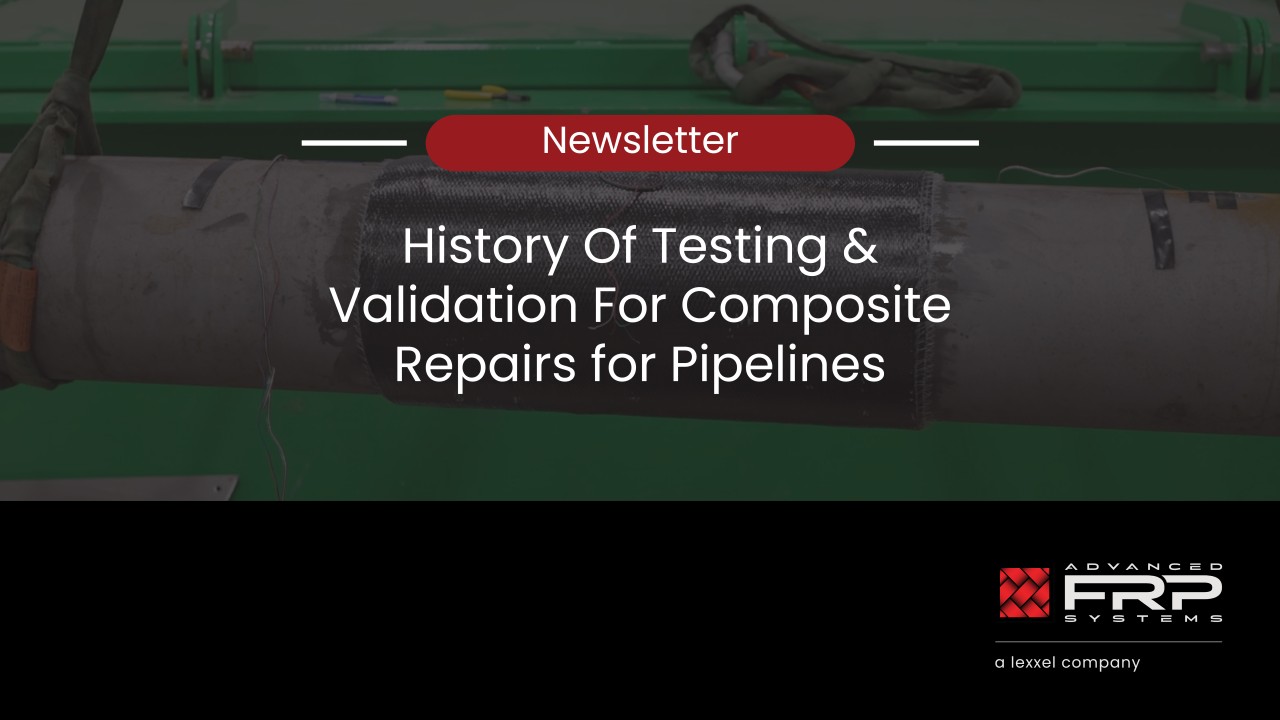 Composite repairs are a proven solution for addressing a wide range of pipe defects and are increasingly accepted across critical industries due to the many advantages they provide. Key advantages include: rapid installation the ability to be applied while assets remain in service, impressive strength-to-weight ratio, does not corrode like metallic repairs, no hot work [...] More
 -
Underground Power Infrastructure Throughout the U.S. Is Aging – What is the Maintenance Solution?
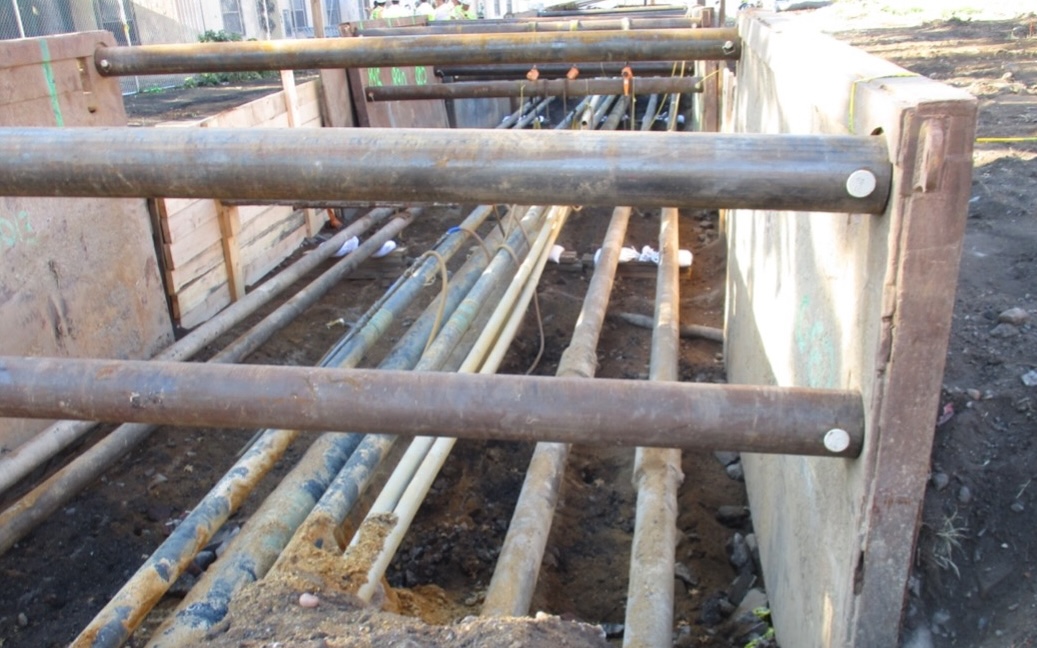
Underground power infrastructure throughout the United States—especially in populated urban areas—broadly consists of pipe-type cables. Much of the pipe-type cable network that exists today was installed during the mid-20th century. Now between 50-70 years old, this legacy infrastructure operates well beyond its intended service life of 50 years. These systems were the backbone of urban …
More -
The Surface Preparation Playbook
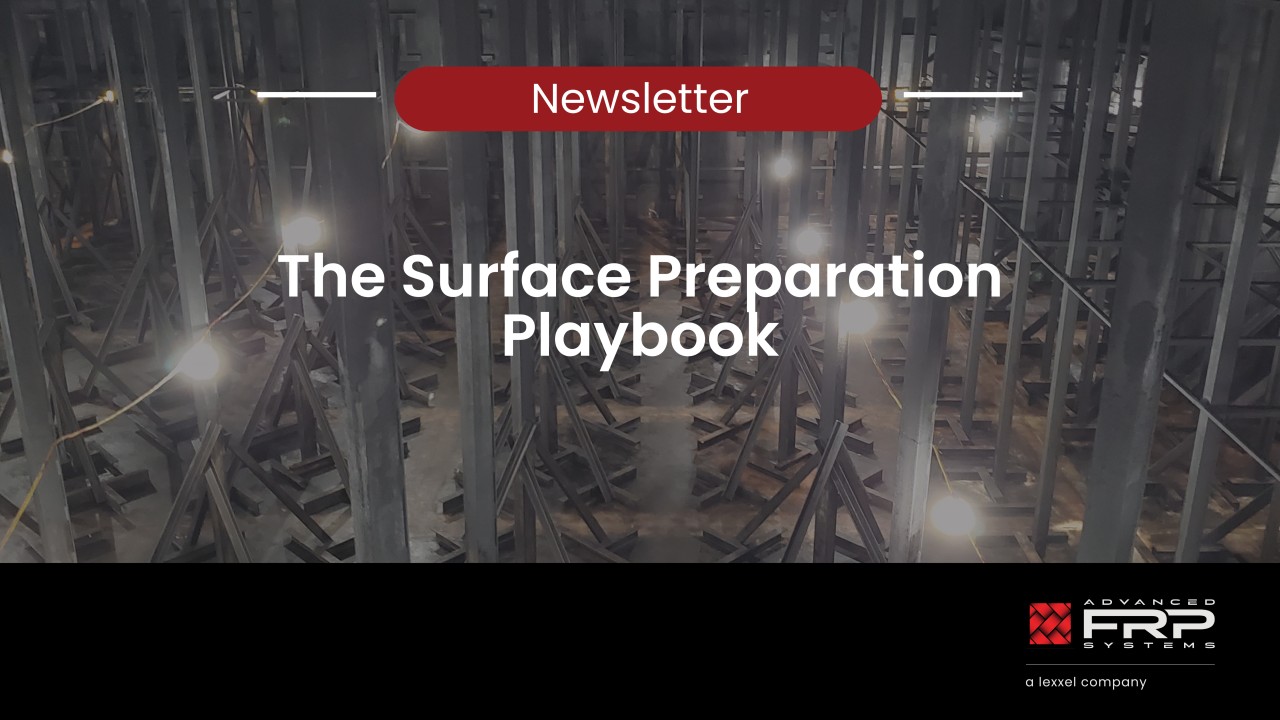 Getting surface prep right is non-negotiable. Here’s some of our advice for tackling surface preparation, even when it’s complicated. Surface preparation drives coating success. Failures often originate from improper or incomplete surface preparation. In this newsletter, we’ll discuss surface prep materials, preparatory cleaning, achieving the proper anchor profile, guidance on standards, and what to do [...] More
 -
Can It Take The Heat: Composite Behaviors in Elevated Temperature Environments
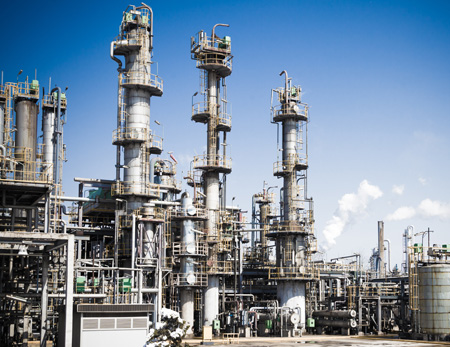
The temperature at which a composite system cures significantly impacts its material properties. Performance uncertainties in elevated temperature environments can lead to safety, environmental, and financial risks. In 2024, Advanced FRP underwent comprehensive validation testing to analyze this behavior up close. The following test procedure was observed: The results of the test program were evaluated …
More -
Composite Repair of Underground Power Transmission Lines
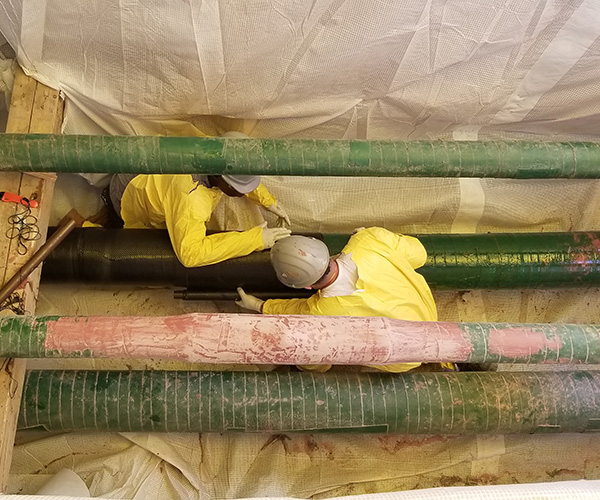
High-Pressure Fluid Filled (HPFF) pipe-type cables are one of the most common designs—especially in urban environments—for underground power transmission systems. These trusted systems have delivered power to areas that cannot have above-ground high voltage wires for more than 50 years. However, 50+ years of reliable delivery means these systems are aging—and require long-term, cost-effective repair …
More -
Coating for Corrosion Resistance
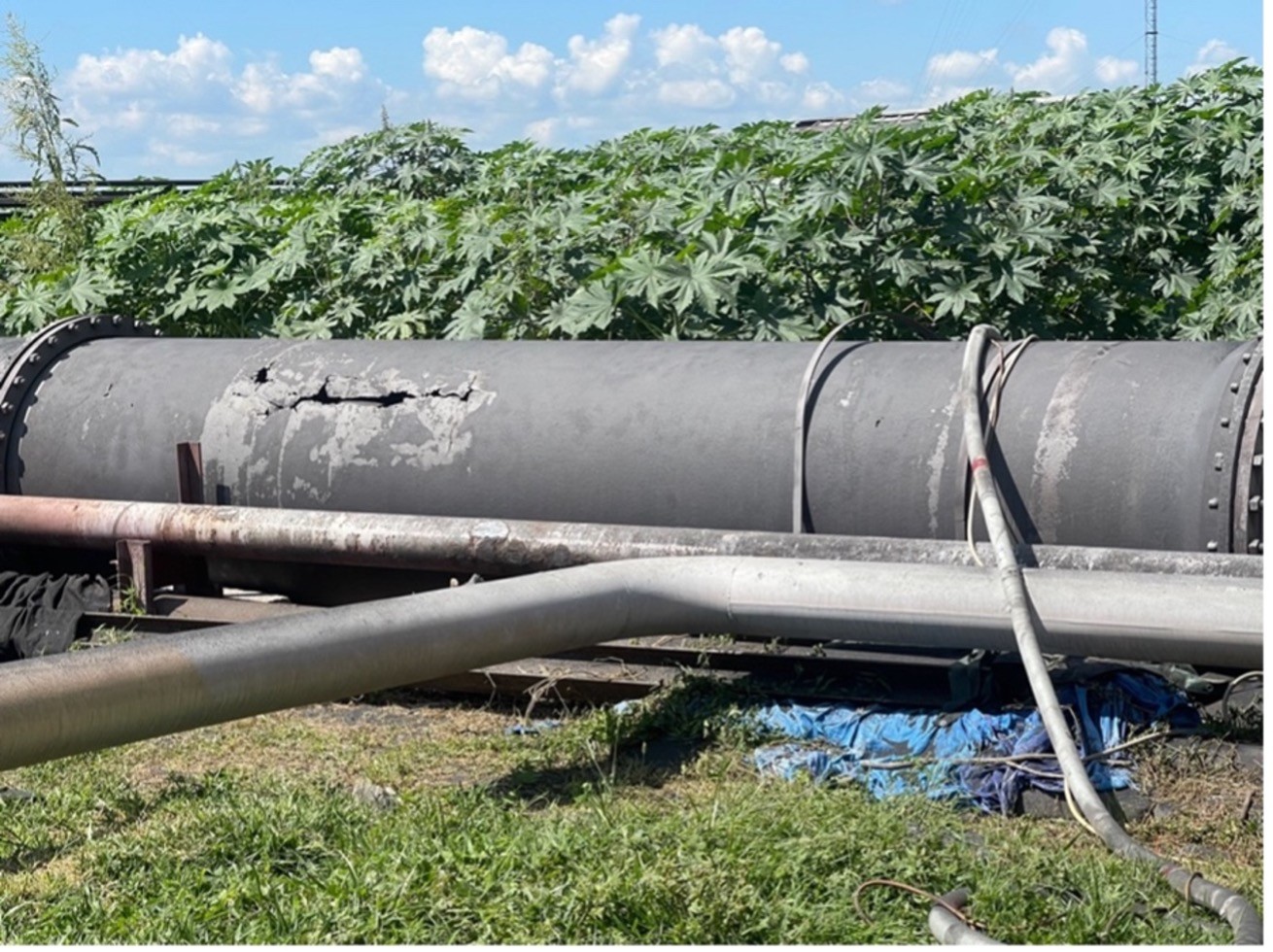
Corrosion endangers metallic systems present in water treatment plants, manufacturing facilities, and process piping. It is a constant source of frustration for maintenance management professionals. Corrosion endangers systems in water treatment plants, manufacturing facilities, and process piping. The Chemistry Behind Corrosion Corrosion is a naturally occurring electrochemical process that leads to the decay of metallic …
More